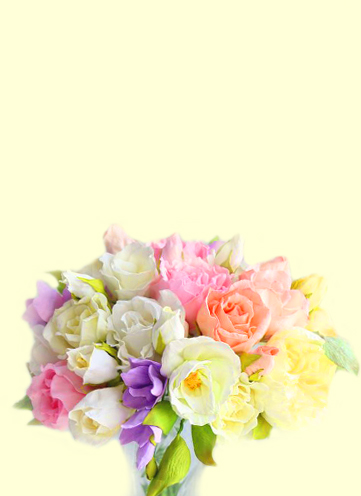
The Therapeutic Benefits of Flowers for Your Well-Being
Posted on 22/05/2025
The Therapeutic Benefits of Flowers for Your Well-Being
Flowers are more than just beautiful decorations--they are nature's gentle healers, offering a myriad of benefits for both body and mind. For centuries, people across cultures have turned to the vibrant petals and aromatic scents of blooms to boost happiness, calm anxiety, aid healing, and foster overall well-being. In this comprehensive article, we'll explore the fascinating ways in which flowers improve well-being, detailing their psychological, physical, and emotional advantages, and providing practical tips for harnessing their restorative power in your daily life.
Why Do Flowers Make Us Feel Better?
Have you ever noticed how your mood lifts when you receive a bouquet or stroll through a blooming garden? This isn't just coincidence; there are scientific explanations behind the well-being benefits of flowers:
- Color psychology: The vibrant hues of flowers can influence emotions, from energizing reds to calming blues.
- Aromatic therapy: The natural scents of flowers like lavender and jasmine have been shown to reduce stress and promote relaxation.
- Biophilia effect: Our innate connection to nature makes us feel healthier and happier when surrounded by natural elements like plants and flowers.
- Symbolism and sentiment: Flowers convey care, love, and appreciation, strengthening emotional bonds and boosting one's sense of belonging.
Understanding the therapeutic effects of flowers helps us appreciate not only their beauty but also their lasting impact on our mental and physical health.
The Psychological Advantages of Flowers
1. Mood Enhancement and Stress Reduction
Numerous studies have demonstrated the positive psychological effects of flowers. Interacting with fresh flowers--whether arranging, smelling, or simply viewing them--triggers the release of happiness hormones such as dopamine and serotonin.
- Improved mood: A study from Rutgers University found that individuals who received flowers experienced lasting increases in happiness, gratitude, and life satisfaction.
- Reduced anxiety and depression: Research in hospitals and workplaces shows that environments with flowers lead to lower stress levels and reduced symptoms of anxiety and depression.
Flowers for mental wellness offer an accessible path to restoring emotional balance, thanks to their immediate mood-boosting abilities.
2. Flowers for Mindfulness and Grounding
Practicing mindfulness involves being present in the moment, and flowers serve as ideal anchors for grounding meditations. Observing their intricate details and inhaling their fragrance draws attention away from worries and toward appreciation of the present.
- Mindful activities: Flower arranging (ikebana), botanical drawing, or even a mindful walk in the park can foster a deep sense of calm and clarity.
- Aids in focus: The simple act of caring for flowers redirects the mind from negative thought patterns to the gentle rhythms of nature.
Such floral therapy techniques are especially beneficial in today's fast-paced world, promoting relaxation and better sleep quality.
The Physical Health Benefits of Flowers
1. Faster Healing and Pain Reduction
No discussion about the healing power of flowers would be complete without referencing their role in physical recovery. Research has shown that patients in hospitals recover quicker and experience less pain when fresh flowers are present in their rooms.
- One study published in Complementary Therapies in Medicine found that patients exposed to flowers post-surgery required fewer pain medications and had shorter hospital stays.
- Flowers like calendula (marigolds) and chamomile have documented anti-inflammatory properties and are widely used in natural topical remedies.
Flowers for healing are not just a sentimental gesture--they are a proven tool in fostering physical recovery and comfort.
2. Flowers and Air Quality
Flowers and other houseplants play a crucial role in improving indoor air quality, which then positively affects overall well-being.
- Certain flowering plants help filter harmful toxins from the air and increase humidity, reducing respiratory issues and allergies.
- Jasmine, chrysanthemums, and gerbera daisies are celebrated for their air-purifying qualities, making them ideal for bedrooms and living spaces.
Better air quality translates to improved concentration, fewer headaches, and higher productivity--just a few more well-being benefits of flowers to consider in your home or office settings.
Emotional Connections and Social Well-Being
1. Flowers and Emotional Expression
Since ancient times, flowers have served as carriers of human emotion--from love to sympathy, congratulations to condolences. Gifting or receiving flowers can:
- Strengthen personal relationships
- Provide emotional support and comfort during challenging times
- Encourage gratitude and compassion
- Celebrate milestones, achievements, and daily moments of joy
Floral gifts are unique in their ability to communicate heartfelt sentiments words sometimes cannot express, nurturing our emotional and social well-being.
2. Community and Floristry
Engaging in communal activities centered around flowers, such as gardening clubs or floral workshops, fosters a sense of belonging and purpose. Sharing in the joys of growing and arranging flowers cultivates supportive relationships and reduces feelings of isolation.
Participating in flower therapy groups or volunteering at community gardens amplifies the well-being benefits of flowers, contributing to personal fulfillment and collective happiness.
Flower Therapy: Harnessing Nature for Holistic Wellness
What is Flower Therapy?
Flower therapy, also known as floral therapy or flower healing, is a holistic practice that utilizes the energy and properties of flowers to harmonize mind, body, and spirit. Flower therapy can include:
- Flower essences and tinctures (such as Bach Flower Remedies)
- Aromatherapy using essential oils distilled from flowers
- Guided meditations focused on flower visualization
- Hands-on practices like flower arranging, pressing, or crafting
Each of these approaches leverages the unique energies and therapeutic effects of flowers to support mental, emotional, and physical health.
Flower Essences and Emotional Healing
Bach Flower Remedies and similar essence therapies use diluted extracts of specific flowers to address emotional imbalances. Practitioners believe these remedies soothe feelings of fear, grief, anger, and low self-esteem, working gently but effectively over time.
- Rescue Remedy (a blend of five flower essences) is renowned for helping manage acute stress and anxiety.
- Other popular essences include impatiens for patience and agrimony for inner peace.
Flowers in Aromatherapy
The use of floral essential oils, such as lavender, rose, and geranium, is popular in aromatherapy for their soothing and uplifting properties. Inhaling their fragrances can:
- Promote restful sleep
- Alleviate symptoms of depression and anxiety
- Support mental clarity and focus
- Reduce physical tension and headaches
The synergistic blend of scent, color, and symbolism makes flowers a powerful addition to any self-care routine.
Incorporating Flowers Into Your Daily Life
Practical Ways to Reap the Benefits
You don't need access to vast botanical gardens to experience the therapeutic benefits of flowers. Here are some simple strategies:
- Add fresh flowers to your home: Display a bouquet on your desk, bedside table, or kitchen counter to invite positivity into your daily environment.
- Grow flowers indoors or outdoors: Tending to plants like African violets, orchids, or even potted sunflowers offers ongoing engagement and a sense of accomplishment.
- Create a flower arranging ritual: Make a weekly habit of selecting, trimming, and creatively arranging flowers for mindful relaxation.
- Try flower-based self-care: Enjoy a lavender bath, use rosewater facial mist, or craft DIY floral sachets for relaxation and sleep.
- Engage in flower-inspired art: Sketch, paint, or photograph flowers to immerse yourself in their beauty and form.
Best Flowers for Well-Being
While all blossoms have something special to offer, certain varieties stand out for their strong therapeutic effects:
- Lavender: Promotes calm and restful sleep; ideal for bedrooms or aromatherapy diffusers.
- Sunflowers: Their bright faces symbolize positivity and encouragement, energizing any space.
- Roses: Associated with love, self-acceptance, and emotional healing, particularly when used in self-care rituals.
- Chamomile: Used in teas and topical treatments to aid relaxation and soothe skin irritations.
- Peonies: Thought to foster compassion, prosperity, and emotional healing.
You can experiment with mixing different flowers to create personalized arrangements tailored to your mood and needs.
Supporting Sustainable Flower Practices
To fully embrace the healing power of flowers, consider their environmental impact. Choose local, seasonal, and organically-grown flowers whenever possible, or grow your own to reduce the carbon footprint. Participate in community gardens or support florists with eco-friendly and ethical sourcing practices to enhance both personal and planetary well-being.
Conclusion: Embrace Floral Therapy for Total Well-Being
Flowers for well-being offer more than fleeting enjoyment--they contribute to a healthier, happier, and more harmonious life. Whether through mindful appreciation, intentional self-care rituals, or sharing blossoms with loved ones, flowers are an accessible and effective tool for enhancing emotional, mental, and physical health.
- Regular exposure to flowers can:
- Boost mood and reduce anxiety
- Speed physical healing and comfort
- Foster love, empathy, and connection
- Inspire creativity and mindfulness
Make flowers a part of your daily routine and watch as their therapeutic influences blossom in your life. Enjoy the beauty, comfort, and well-being that only flowers can provide!
Embrace the transformative power of flowers--your mind, body, and spirit will thank you for it.